


Selecting proper rolling dimensions matters for balance control, efficiency, safety, and handling accuracy. Many owners rely on Pickyourtires guidance to understand markings measurements, and fit rules. Size decisions influence motion grip, fuel use, and wear patterns. Awareness prevents mismatch problems while supporting smooth steering, predictable braking, and stable traction across varied road conditions during daily movement.
Why does size compatibility matter
Correct measurements support stable motion, steering response, and braking control. Improper fit causes vibration, rubbing noise, and faster surface wear. Accurate selection keeps suspension alignment intact while maintaining intended clearance ratios and balanced load support.
How do sidewall markings help
Printed codes display the width ratio, construction, and rim diameter. Understanding these numbers allows matching factory recommendations. Reading them carefully prevents guessing and reduces the risk of selecting shapes that disrupt balance or stress rotating components.
What role does width play?
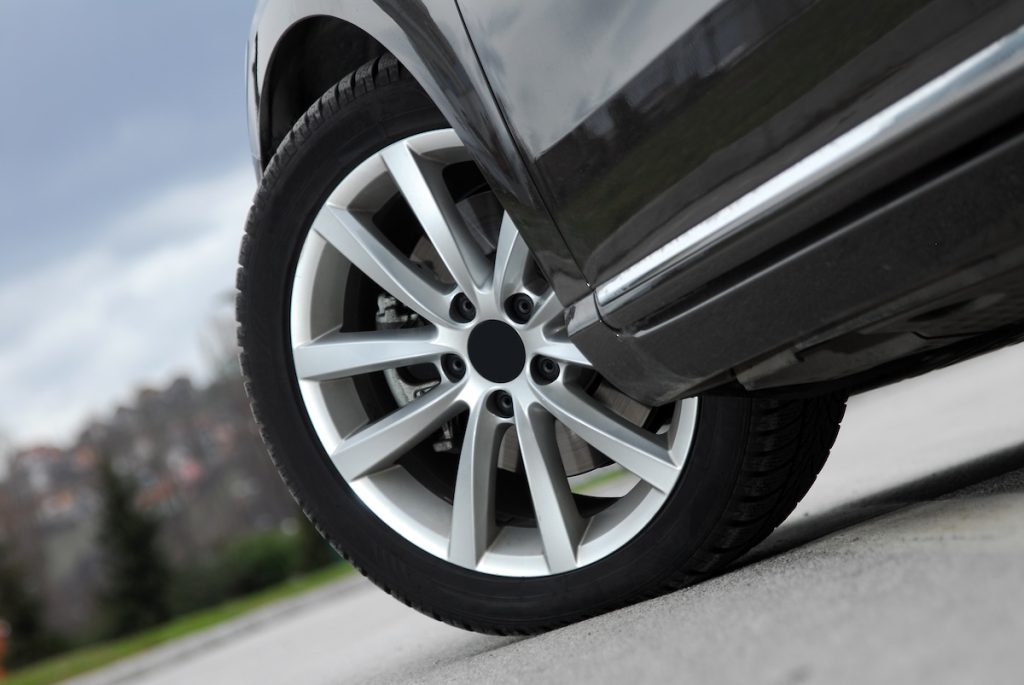
Width affects surface contact grip and water dispersion. Narrow profiles reduce drag while wider options enhance hold. Choosing a suitable breadth ensures steering accuracy without creating friction issues or clearance interference during turning movements.
How aspect ratio affects handling
Ratio describes the sidewall height compared to the width. Lower ratios improve responsiveness while higher ratios enhance cushioning. Selecting balanced proportions maintains ride control while protecting rims from impact stress on uneven pathways.
Why the rim diameter must match
Rim size determines mounting security and rotation stability. Mismatched diameters lead to seating problems and unsafe operation. Proper pairing ensures bead fit, pressure control, and consistent rotation without wobble concerns.
What speed rating indicates
Speed rating reflects heat tolerance and stability limits. Matching an appropriate rating maintains structural integrity during extended movement. Selecting too low may cause rapid wear, while exceeding needs offers little added benefit.
Why should clearance be checked
Clearance ensures no contact with the body or suspension during turns. Larger dimensions may rub, causing damage. Confirming space avoids costly repairs and maintains smooth directional control throughout operation.
How driving habits affect choice
Usage patterns influence optimal dimensions. Frequent urban use favors balanced comfort, while long-distance travel prefers stability and efficiency. Aligning size with habits improves lifespan and consistent handling feedback.
When professional advice helps
Experts measure fit, assess clearance, and confirm ratings. Consultation reduces mistakes and saves time. Professional input ensures chosen dimensions support safety, efficiency, and long-term reliability without unnecessary adjustments.
Careful evaluation brings confidence and control across every journey. Understanding markings, dimensions, ratings, and habits supports informed decisions that protect movement stability and component health. Thoughtful selection reduces wear, improves grip, and sustains balance across surfaces. When uncertainty appears, guidance and measurement checks prevent costly errors. A reliable approach blends knowledge, observation, and expert input, ensuring smooth, reliable travel supported by Pickyourtires.