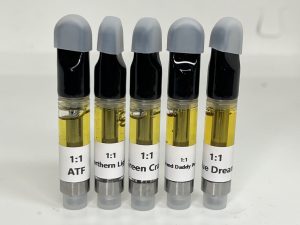


Many communities now discuss controlled inhalation products with careful attention to well-being outcomes. Decision makers examine how design choices influence breathing responses across diverse populations. Conversations often reference weed carts when explaining modern exposure concerns. Different groups rely on research-driven guidance to reduce avoidable harm. Balanced thinking supports prevention without ignoring real-world behaviors.
Population health protection priorities today
Protective frameworks focus on minimizing respiratory stress through clearer manufacturing expectations. Agencies promote standardized checks for consistency across batches. Community-level programs help translate research into understandable guidance. These combined actions reduce confusion and strengthen trust.
Manufacturing safeguards and labelling rules
Clear production benchmarks help prevent contamination through verified processes. Honest labelling enables informed choices during purchasing decisions.
- Tamper-evident seals prevent unintended access during transport and storage.
- Ingredient transparency supports allergy awareness and informed decision making.
- Batch coding allows faster tracing during unexpected quality incidents.
- Child-resistant closures reduce accidental exposure risks significantly.
- Moisture barriers protect contents from environmental degradation processes.
- Standardized warnings guide safer storage practices for households.
- Ink durability ensures critical information remains visible over time.
- Multi-language labels support diverse community comprehension needs.
Global surveillance systems and reporting pathways

Monitoring programs collect data about reactions across varied demographic groups. Shared reporting channels help identify patterns requiring quick response. Transparent communication improves cooperation between laboratories and regulators. Continuous review cycles keep standards responsive.
How do authorities reduce cartridge-related community harms?
Authorities apply layered strategies combining education, oversight, and data sharing. These approaches reduce unknowns by turning observations into actionable guidance. By supporting early detection of quality issues, agencies prevent wider exposure problems. Collaboration with research centers improves understanding of long-term respiratory patterns.
Education initiatives for safer behaviors
Learning resources translate complex science into everyday language. Outreach programs address common misconceptions calmly. Accessible materials encourage safer handling awareness.
Technology-assisted exposure monitoring tools.
Sensor-based tracking improves early identification of harmful compounds. Automated alerts notify inspectors when unusual levels appear. Midstream assessments often reference weed carts to explain detection examples. These tools support faster response through reliable data streams.
Risk indicators and prevention metrics
Measurable indicators guide smarter prevention planning across regions. Metrics convert observations into structured improvement actions. Transparent dashboards support shared understanding among stakeholders. Standardized reviews encourage consistent progress.
Shared responsibility moving forward together
Ongoing research continues to shape thoughtful guidance for respiratory protection. Communities benefit when learning resources remain clear and adaptable. Collaboration between scientists and educators strengthens everyday understanding. Long-term well-being grows through shared awareness practices.